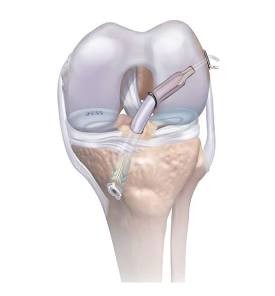
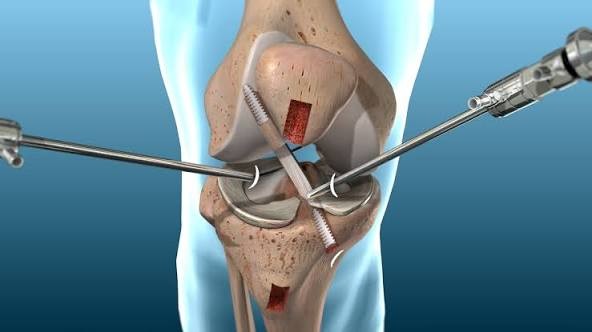
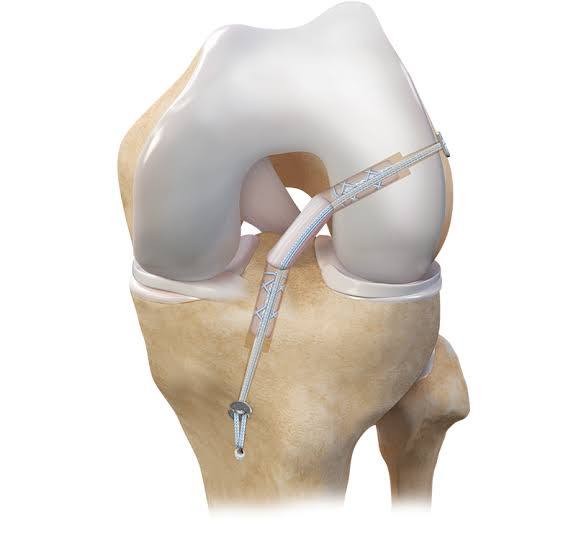
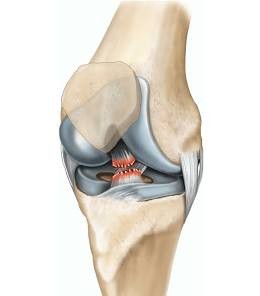
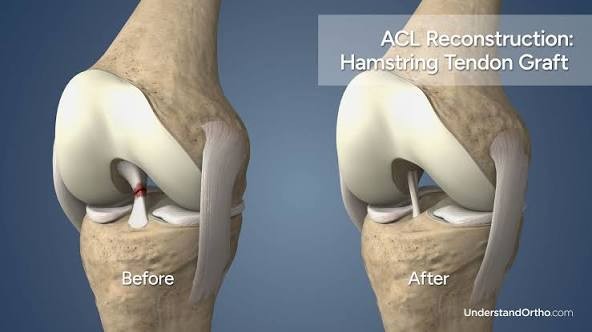
ACL reconstruction is a common surgery to replace a torn anterior cruciate ligament in the knee using a tissue graft (from your own body or a donor). It restores knee stability through a minimally invasive, keyhole (arthroscopic) procedure using small incisions, bone tunnels, and surgical screws or buttons to secure the new ligament. Extensive physical therapy is required for full recovery.
The Procedure
- Arthroscopy: Performed with a camera (arthroscope) and small instruments through tiny cuts.
- Graft Harvesting: A piece of tendon (hamstring, patellar, or quadriceps) is taken from your own body (autograft) or from a donor (allograft).
- Tunnel Drilling: Tunnels are drilled into the thigh (femur) and shin (tibia) bones where the original ACL was.
- Graft Placement: The new graft is passed through the tunnels in the correct position.
- Fixation: The graft is secured with screws, buttons, or other hardware.
Why It's Done
- To restore stability to a knee that gives way (instability).
- Often recommended for active individuals, athletes (football, basketball, soccer), or those with physically demanding jobs.
Recovery & Rehabilitation
- Immediate: May involve a brace and crutches for a few weeks; early movement is encouraged.
- Physical Therapy (PT): Crucial for regaining strength, motion, and function, often lasting 4–6 months or more.
- Return to Sports: Can take 9–12 months for high-impact sports, with varying success rates for returning to pre-injury levels.
Key Benefits
- Provides stability for an unstable knee.
- Helps prevent further damage to the knee joint.
- Modern techniques lead to faster recovery and fewer complications.
Related Images