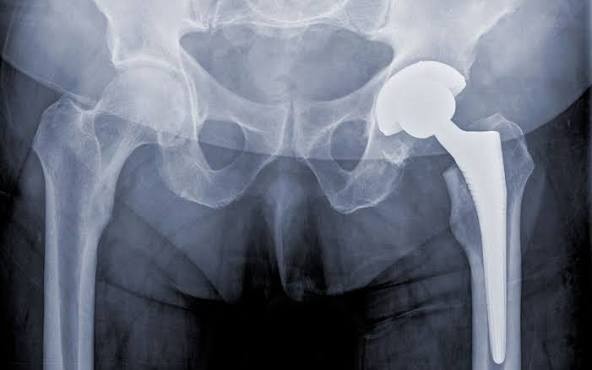
A total hip replacement (THR), also known as total hip arthroplasty, is a common surgical procedure in which damaged surfaces of the hip joint are replaced with artificial components made of metal, ceramic, or plastic. The surgery is performed to relieve pain, reduce stiffness, and improve mobility, most often due to severe arthritis or injury.
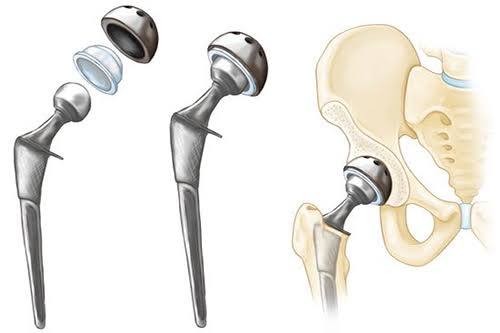
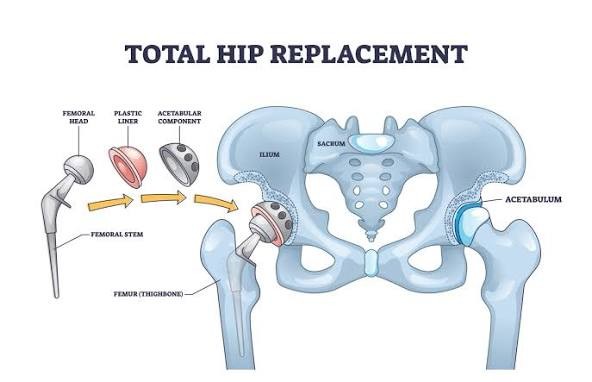
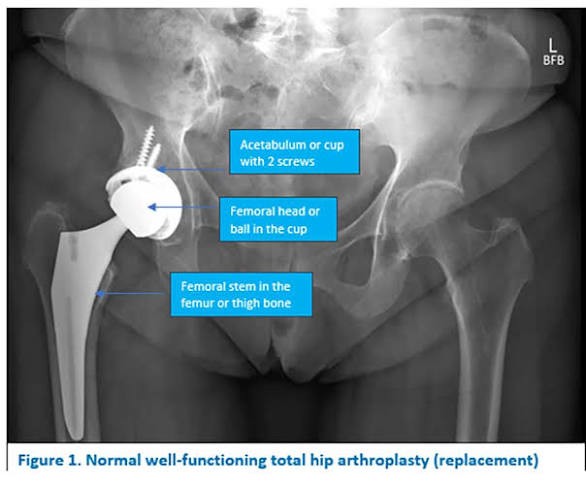
The procedure involves removing the damaged hip joint and inserting a new stem and ball into the thigh bone (femur), along with a new cup into the pelvis (acetabulum). Recovery includes structured physical therapy over several months.
What It Is
- A surgical procedure to replace damaged bone and cartilage in the hip joint with artificial components.
- Both the ball (head of the femur) and the socket (acetabulum of the pelvis) are replaced.
Why It’s Done
- Osteoarthritis: The most common reason, causing pain and stiffness when other treatments fail.
- Other Conditions: Rheumatoid arthritis, hip fractures, and developmental hip disorders.
The Procedure
- Incision: The surgeon makes an incision on the hip.
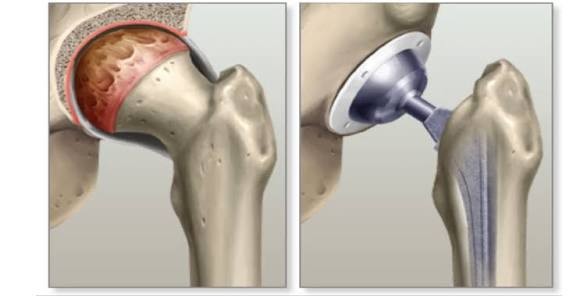
- Removal: The damaged femoral head (ball) is removed.
- Femur Implant: A metal stem is inserted into the hollow femur, topped with a metal or ceramic ball.
- Socket Implant: Damaged cartilage is removed, and a new cup (plastic, metal, or ceramic) is placed into the pelvis.
- Spacer: A plastic or ceramic liner is inserted between the new ball and socket for smooth movement.
- Closure: Soft tissues are closed using stitches or surgical clips.
Recovery
- Timeframe: Full recovery typically takes several months.
- Physical Therapy (PT): Essential for regaining strength and motion, including walking and stair training.
- Pain Management: Managed through medications, icing, and specific post-operative protocols.
Implants & Longevity
- Materials: Components are made from metal, ceramic, and plastic.
- Fixation: Implants may be cemented or press-fit, allowing bone to grow into a porous coating.
- Lifespan: Modern hip implants often last 15–25 years or longer.
Related Images