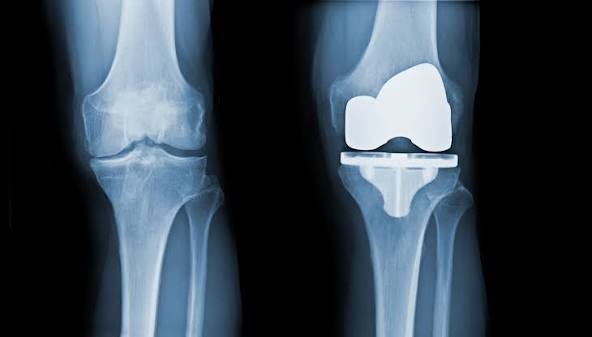
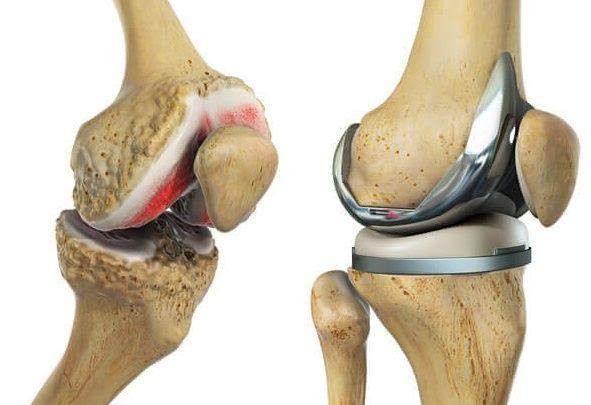
A total knee replacement (TKR) is a surgical procedure that resurfaces damaged knee joint surfaces with metal and plastic components to relieve severe pain and disability, most commonly caused by arthritis. It is typically recommended when other treatments fail to provide adequate relief.
The procedure involves removing damaged bone and cartilage from the thigh bone (femur), shin bone (tibia), and sometimes the kneecap (patella), and replacing them with artificial components. Recovery includes structured physical therapy to restore mobility and strength.
What It Involves
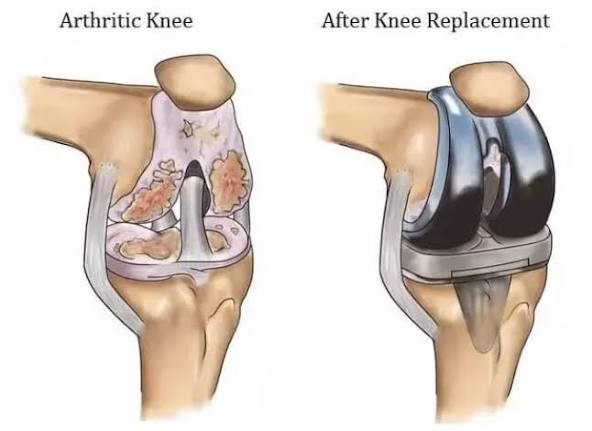
- Resurfacing: The surgeon reshapes the ends of the femur and tibia and resurfaces the underside of the patella using durable metal and plastic implants.
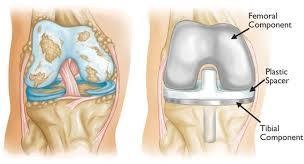
- Components: The artificial knee typically includes a metal femoral component, a metal tibial plate, and a plastic spacer between them, often with a plastic “button” for the kneecap.
- Anesthesia: Performed under general anesthesia or regional anesthesia (spinal or epidural) to minimize pain.
Why It’s Done
- Severe Pain: To relieve pain caused by osteoarthritis, rheumatoid arthritis, or post-traumatic arthritis.
- Improved Function: To improve walking, stair climbing, and daily activities.
- When Conservative Care Fails: Recommended when medications, lifestyle changes, or other therapies are no longer effective.
Recovery & Outlook
- Rehabilitation: Physical therapy typically begins within 24 hours after surgery.
- Duration: Full recovery may take several months; implants often last 20 years or more.
- Success: Most patients experience significant pain relief and improved mobility, although some stiffness may remain.
Types of Knee Replacement
- Total Knee Replacement (TKR): Replaces all three compartments of the knee.
- Partial Knee Replacement: Replaces only the damaged compartment, often suitable for younger patients or less extensive damage.
Related Images